Industry news
Zambia's new Minister of Mines: what Brenda Tambatamba's appointment means for the industry
4 November 2026 · 6 min read
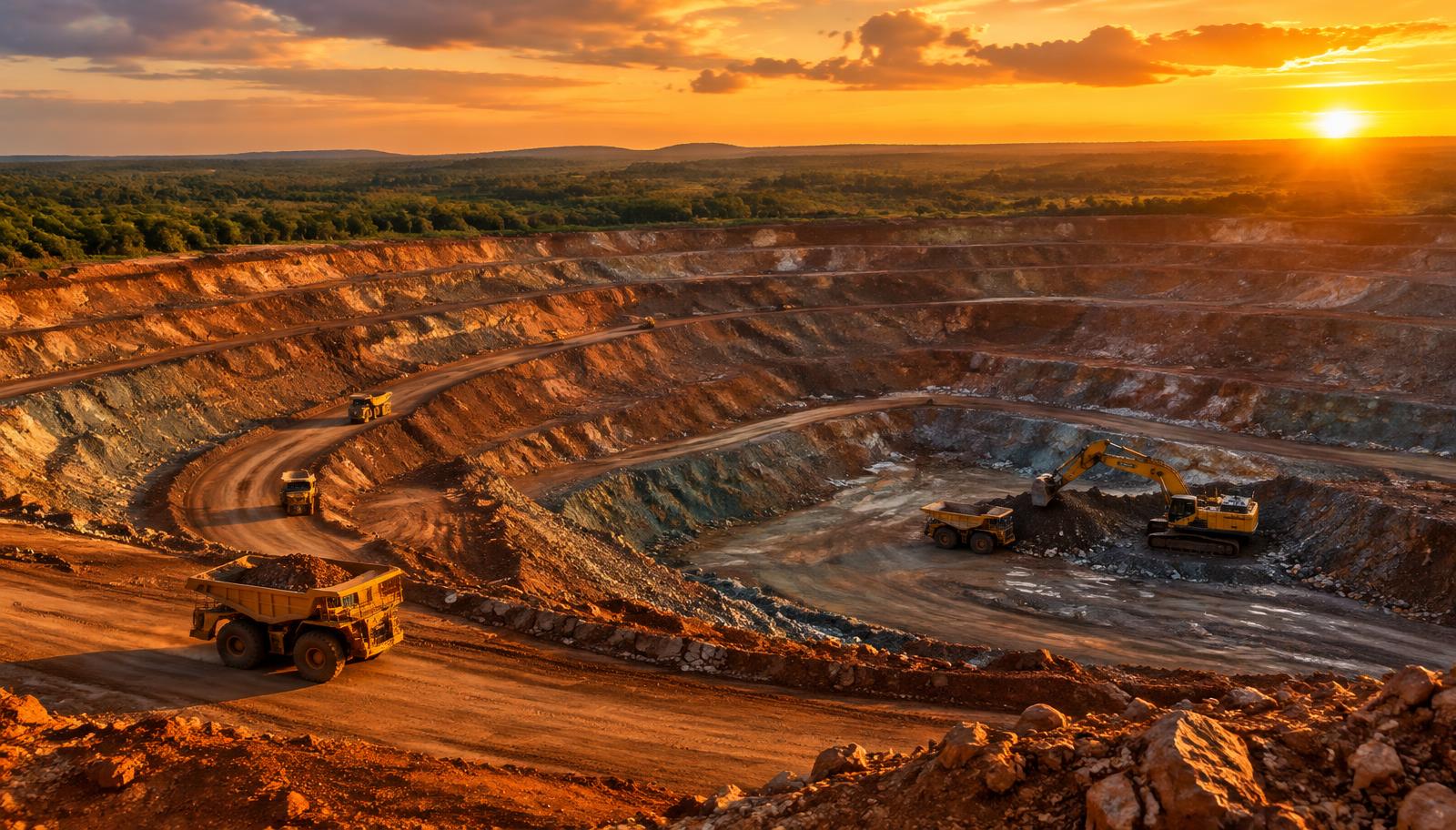
Brenda Tambatamba becomes Zambia's first woman Minister of Mines and Minerals Development. What it means for the 3 million tonne copper target, power, investment and local suppliers.
A historic appointment
On 28 October 2026, President Hakainde Hichilema swore in Brenda Tambatamba as Minister of Mines and Minerals Development, part of a 24-member cabinet named after his re-election to a second term in the August general election. She is the first woman to lead the ministry.
Tambatamba served as Minister of Labour and Social Security in the President's first term. Before entering politics she worked as a sustainability manager at Barrick's Lumwana copper mine in North-Western Province, so she arrives with direct experience of how a large modern mine operates.
The Association of Zambian Women in Mining welcomed the appointment as a milestone for women in a sector that has historically been male-dominated.
The mandate: 3 million tonnes of copper by 2031
The headline target the new minister inherits is to raise annual copper output to 3 million tonnes by 2031 — close to triple current levels — as global demand grows for copper used in electric vehicles, power networks and construction.
At the swearing-in, the President told ministers to decide quickly, cut overlapping approvals and bureaucracy, and not to block or delay investment. For the mining ministry, that points to a focus on faster licensing decisions and smoother processes for investors.
Mining already accounts for roughly 9% of Zambia's GDP and about 72% of export earnings, and the Chamber of Mines reports more than US$10 billion of investment into the sector since 2021.
The challenges on the desk
Power: industry estimates suggest Zambia needs at least 2,000 MW of additional generating capacity to meet production targets. The government's wider goal is 10,000 MW, and drought risk at Kariba makes new supply urgent.
Big assets: unresolved funding and ownership questions at Mopani Copper Mines and Konkola Copper Mines will strongly influence the production outlook on the Copperbelt.
Incentives: mining companies have asked for stronger incentives for exploration and local processing. Beyond copper, the portfolio also covers gold, emeralds, nickel, coal, manganese and industrial minerals.
What it could mean for suppliers, contractors and small-scale miners
Tripling copper output means more mines, expansions and exploration — and with them more demand for excavators, haul trucks, drill rigs, spare parts, contractors, transport, camps and site services across the Copperbelt, North-Western and beyond.
Local businesses that are registered, compliant and easy to find will be best placed to win that work. Faster approvals and a pro-investment stance could also open opportunities for small-scale and artisanal miners looking for equipment, partners or buyers.
A ministerial appointment changes leadership and accountability; it does not by itself change financing, power supply or licence terms. Watch for the minister's first policy statements, the 2027 budget and any updates to licensing and local-content rules.
How to position your business
If you own equipment, now is a good time to list it for sale or hire where mine buyers and contractors can find it. If you provide services, a verified company profile helps procurement teams shortlist you quickly.
MineMarket Zambia is a private marketplace, not a government body. Always confirm mining rights, licences and permits directly with the Ministry of Mines and Minerals Development and the Mining Cadastre before any transaction.
Sources: reporting by Reuters/CNBC Africa, Zambia Monitor, Zambian Business Times, ZiMining and Anadolu Agency (October–November 2026).